The Hidden Cost of Ultra-Processed Foods: Why Convenience Comes at a Price
Walk down any supermarket aisle, and the reality is unavoidable: brightly colored packaging, catchy slogans, and prepackaged meals designed to catch your eye. Ultra-processed foods dominate the modern food landscape, offering speed, convenience, and taste engineered to keep you coming back for more. Chips, sugary cereals, frozen dinners, flavored snacks, and soda have become staples in households across the globe. Their prevalence has grown alongside busy lifestyles, longer workdays, and the cultural normalization of eating on the go.
The allure is obvious. In a world where time feels scarce, grabbing a prepackaged meal or snack seems like an efficient solution. Yet beneath the convenience lies a suite of hidden costs: declining health, disrupted eating patterns, and reliance on products that are engineered to override natural satiety and taste cues. Research consistently links ultra-processed diets to obesity, cardiovascular disease, type 2 diabetes, and even certain cancers (Monteiro et al., 2019; Hall et al., 2019).
This article explores the complex ecosystem of ultra-processed foods, why they’ve become so prevalent, and the practical strategies that allow individuals to reclaim control over their diets. You’ll discover why addictive design, convenience, marketing, and cultural factors converge to keep these foods in our daily lives and how plant-based, whole-food alternatives can provide convenience without compromise.
What Are Ultra-Processed Foods?
Ultra-processed foods are products that have undergone multiple processing steps and contain ingredients not typically found in a home kitchen. Unlike minimally processed foods such as fresh vegetables, fruits, legumes, and grains, UPFs include artificial flavors, colorings, emulsifiers, hydrogenated oils, refined sugars, and other additives designed to enhance taste, shelf life, or texture.
The NOVA classification system categorizes foods into four groups: unprocessed or minimally processed foods, processed culinary ingredients, processed foods, and ultra-processed foods. Items such as soda, packaged snack bars, instant noodles, frozen pizzas, and sugary breakfast cereals fall into the ultra-processed category. Unlike whole foods, which are nutrient-dense and naturally satiating, UPFs are energy-dense, nutrient-poor, and designed to maximize palatability.
Because they are engineered for the “bliss point,” the precise combination of fat, sugar, and salt that triggers dopamine release, UPFs can override natural satiety signals. Studies show that individuals consuming UPF-heavy diets often unintentionally consume hundreds of excess calories per day, which contributes to weight gain and associated health risks (Hall et al., 2019). Understanding what constitutes ultra-processed foods is the first step toward meaningful dietary change.
The Addictive Design of Ultra-Processed Foods
Ultra-processed foods are intentionally engineered to be hyper-palatable. The combination of refined sugars, fats, and salt triggers neurochemical pathways in the brain, particularly the dopamine system, reinforcing repeated consumption. Unlike whole foods, which are metabolized gradually and provide lasting satiety, UPFs encourage rapid, repeated eating.
The food industry leverages scientific research into taste perception and reward to optimize these effects. Flavors, textures, and aromas are fine-tuned to make products irresistible. For example, a bag of chips is designed so that the first handful tastes as compelling as the last. Similarly, sweetened cereals are formulated to maximize sugar impact without feeling overwhelming on initial bites.
The result is not just preference but dependency. Studies suggest that individuals consuming UPFs regularly may experience similar reward pathway activation as seen in mild substance addiction. The dopamine spikes prompt cravings and reinforce eating behavior, creating a cycle that is difficult to break without intentional dietary changes (Moss, 2013).

The Illusion of Convenience
Ultra-processed foods are marketed as time-saving solutions, and for many, they appear indispensable. A frozen dinner can be ready in 10 minutes. A protein bar offers instant sustenance. Pantry staples like instant noodles or canned soups reduce grocery shopping decisions and simplify meal planning.
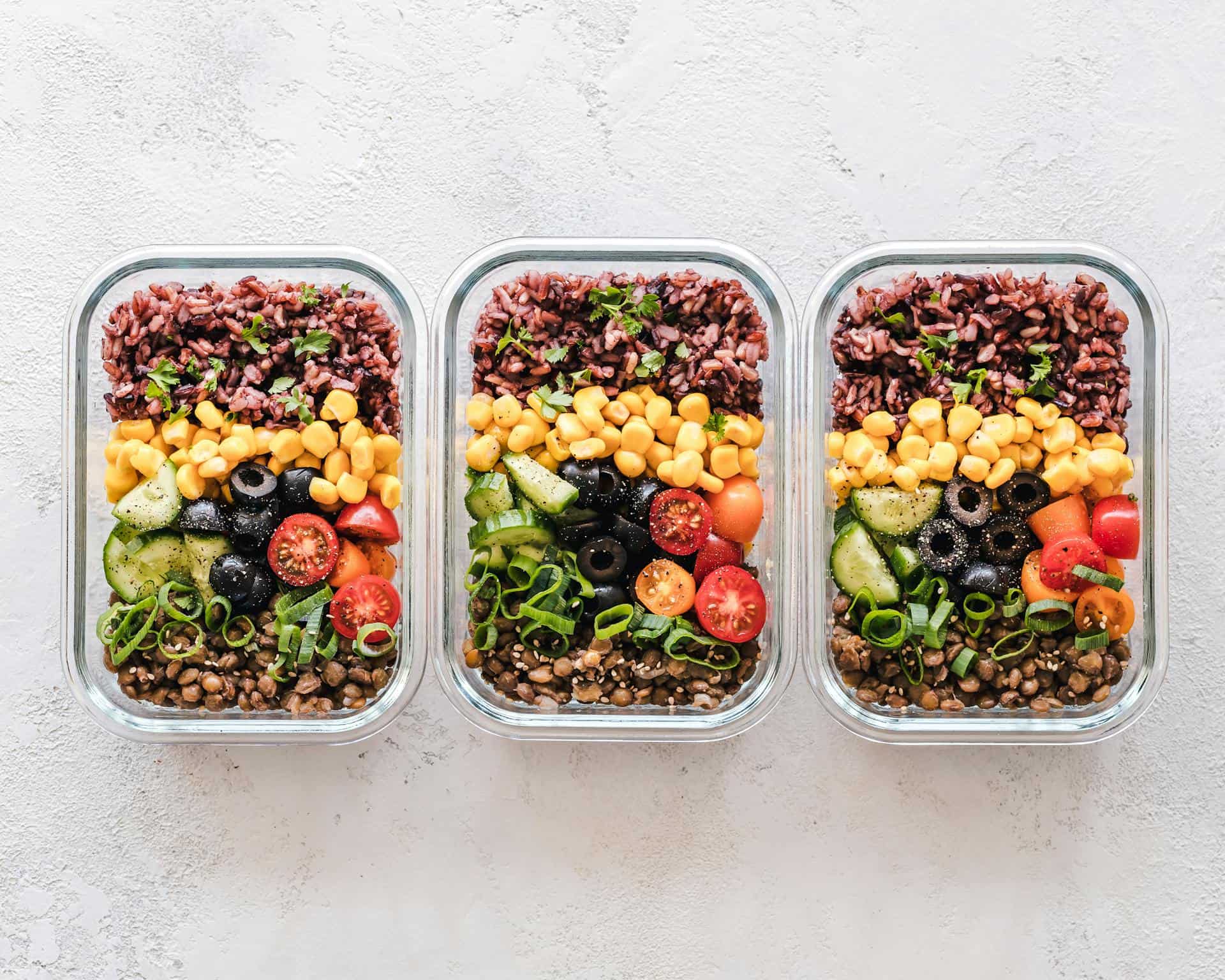
Yet, the convenience is often superficial. Preparing fresh, whole-food meals can be equally efficient when approached strategically. Batch cooking whole grains, legumes, and vegetables, or prepping simple sauces in advance, reduces daily meal prep time while providing far greater nutrition. Front-loading preparation, such as chopping vegetables once for the week or cooking grains in bulk, can rival the speed of microwaving a frozen meal while avoiding the health risks of UPFs.
Additionally, the mental cost of habitual UPF consumption is high. Constant exposure to engineered foods can reshape taste preferences, making natural flavors less appealing and perpetuating dependency on processed products. By contrast, structured whole-food meal prep supports taste adaptation, enhances satiety, and provides nutritional density that UPFs cannot match.
Cultural Normalization and Marketing Influence
The prevalence of ultra-processed foods is reinforced by cultural norms and aggressive marketing. Many people grow up consuming soda, packaged snacks, and sweetened breakfast cereals as routine parts of childhood meals. Emotional associations, rituals, and nostalgia further entrench UPFs into everyday life.
Food companies invest billions in advertising campaigns, often targeting children and young adults. Colorful packaging, mascots, and digital ads cultivate emotional bonds, presenting UPFs as desirable, fun, and essential. Meanwhile, minimally processed, plant-based foods are rarely marketed in a similar manner, leading to an imbalance in perceived desirability.
Breaking free from this cultural programming requires conscious effort. By creating personal routines centered on fresh fruits, vegetables, legumes, and whole grains, individuals can normalize healthier choices in a way that feels natural, sustainable, and enjoyable.
Health Risks Beyond Calories
While UPFs are energy-dense, their health consequences extend far beyond excess calories. Multiple studies link high consumption to obesity, type 2 diabetes, cardiovascular disease, certain cancers, and metabolic syndrome (Srour et al., 2019; Fiolet et al., 2018).
The mechanisms are multifactorial. UPFs often lack fiber, which is essential for gut health, stable blood sugar, and satiety. They frequently contain additives, preservatives, and emulsifiers that may disrupt gut microbiota and contribute to inflammation. High refined sugar content spikes blood glucose and insulin, while artificial flavors and colorings may impact neurological pathways, contributing to cravings and poor appetite regulation.
Mental health implications are also notable. Diets rich in UPFs correlate with higher prevalence of depression, anxiety, and cognitive decline. This underscores that the impact of UPFs is not purely physical but systemic, affecting both body and mind.
By the way, If you’d rather watch a quick 3-minute overview, I cover the highlights in this video.
Practical Strategies to Reduce Ultra-Processed Foods
Despite their prevalence, practical strategies can help reduce UPF consumption:
Replacing UPFs doesn’t require perfection. Gradual swaps, like a smoothie instead of a sugary energy drink, or roasted chickpeas instead of chips, reduce dependency while maintaining convenience. Over time, taste preferences adjust, and whole-food meals become the new default.
The Role of Plant-Based Eating
Plant-based eating emphasizes whole, minimally processed foods. Centering meals on legumes, grains, vegetables, fruits, nuts, and seeds maximizes nutrition while reducing exposure to the additives, sugars, and unhealthy fats in UPFs.
The advantages extend beyond health. Plant-based meals can be prepared efficiently with batch cooking, pre-chopped produce, and simple seasoning, proving that convenience does not require compromise. Consistent consumption supports weight management, metabolic health, and sustained energy throughout the day.
Here’s a quick recap:

Your Health Deserves Better Than Ultra-Processed
Ultra-processed foods dominate modern diets for reasons that extend beyond taste: addiction, convenience, marketing, and cultural acceptance. Yet these “benefits” come at a high cost to long-term health. By understanding these dynamics and intentionally incorporating whole-food, plant-based eating strategies, individuals can reclaim control, improve wellbeing, and maintain the convenience they seek without sacrificing health.
If you’re ready to replace your processed with powerful, download my free 5-Day Plant-Forward Kickstart plan today.