

Why Your Health Depends on Who You Spend Time With After 40
The Hidden Factor in Health After 40
Social connection after 40 may be the single most overlooked factor in your health and longevity.” You might think you’ve got everything under control, like eating well, exercising regularly, and getting enough sleep. Leafy greens at every meal, a consistent workout routine, and a bedtime that rivals a teenager’s. You’ve checked all the boxes. And yet, something still feels off. Maybe your energy is low, your motivation isn’t what it used to be, or stress seems to creep in despite doing everything “by the book.”
In reality, prioritizing social connection after 40 can have a profound impact on your energy, mood, and overall wellbeing. The people you spend time with, the quality of your relationships, and how often you nurture them directly influence your physical, mental, and emotional health, sometimes even more than diet or exercise alone.
You might not realize it, but the people you interact with, the quality of your relationships, and how often you nurture them directly impact your health. In fact, social interaction is not just a feel-good factor; it’s a measurable, biological part of your wellbeing.
Think about it. How often do you feel energized after a great conversation with a friend, or lighter after a quick chat with a colleague who really gets you? Or, conversely, how do you feel after a week of isolation or forced small talk at work, when you’re craving deeper connection? That energy shift is real, and it’s more than just emotional, it’s physiological. The impact of social connection goes deeper than just making us feel good; it influences everything from our stress levels to immune function, cognitive health, and even our longevity.
Could the people around you be influencing your energy, mood, and even your longevity more than your diet or gym routine? It’s possible. And, if you’re underestimating the impact of your social life, you might be missing out on a vital health tool that could enhance everything else you’re doing to stay fit and focused.
In this post, I’ll break down why connectedness is so essential for our health, especially after 40. I’ll share the science behind how meaningful interactions influence our physical, mental, and emotional wellbeing, and offer practical strategies you can start using today to prioritize your relationships and improve your overall health.
So, if you’re ready to take a closer look at the people around you and how they’re impacting your health, let’s dive in.
The Science of Social Connection After 40: Health and Longevity
For many of us, the importance of social connection might feel like an afterthought, a nice-to-have in the busy lives we lead. But what if I told you that social connections are not just “nice” but essential for our health and that they are scientifically proven to play a critical role in how long and how well we live?
Studies have shown that strong social ties and social connection after 40 can significantly reduce the risk of premature death. That’s right: being socially connected can increase your chances of living longer and healthier. And we’re not just talking about a passing correlation; research has identified specific biological mechanisms that explain why this happens.
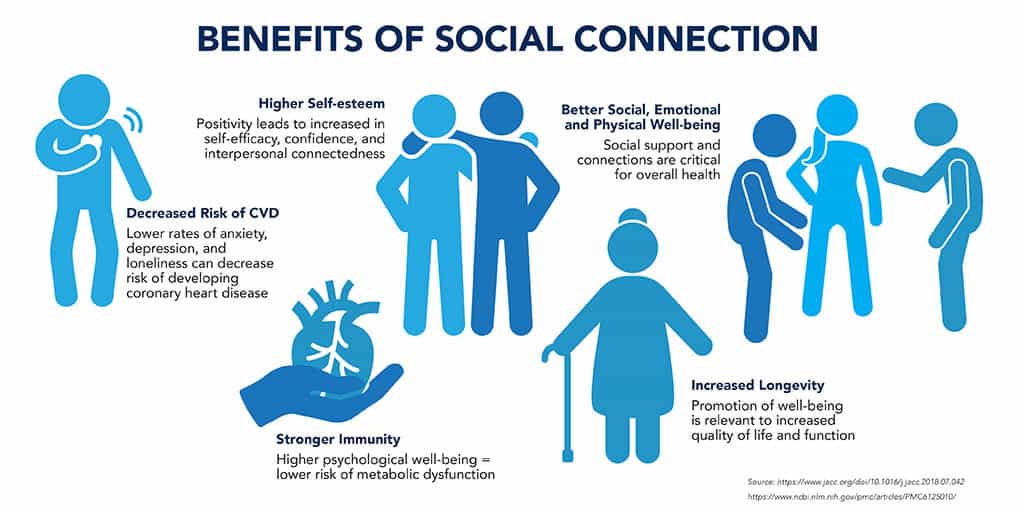
When we engage in social connection after 40, especially in meaningful ways, our bodies experience a reduction in stress hormones like cortisol. Chronic stress is a known contributor to nearly every major health issue: heart disease, diabetes, mental health disorders, and even some cancers. But when we engage with loved ones, friends, or colleagues, we give our bodies a chance to reset. Instead of staying in a prolonged fight-or-flight state, we tap into the body’s relaxation response, lowering stress and giving the immune system a much-needed break.
The physiological benefits don’t stop there. Social connections also help lower inflammation, which is a major driver of chronic diseases, including cardiovascular disease and neurodegenerative conditions like Alzheimer’s. In fact, studies have found that people with strong social bonds have lower levels of C-reactive protein (CRP), a key marker of inflammation. So, when we spend quality time with others, we’re not just boosting our mood; we’re actively reducing risk factors for serious health conditions.
But there’s more. Social connection is tied to improved cardiovascular health and a stronger immune system. People with stronger social ties tend to have lower blood pressure, better heart health, and a more robust immune response. Social interaction is also linked to faster recovery from illness, whether it’s recovering from surgery or bouncing back from a cold. Research has found that people with a solid social network heal more quickly and experience fewer complications because their bodies are better equipped to fight off infection and repair themselves.
Here’s a snapshot of some key scientific findings:
So, what does all this science mean for you?
The takeaway is clear: You don’t need a huge circle of friends to reap these benefits. It’s about quality, not quantity. What matters is having a few deep, intentional relationships that nourish your mind and body. You can have a busy schedule and a small social circle and still experience the transformative effects of connection. It’s about being deliberate about who you spend time with and ensuring that these relationships are meaningful.
Take a moment to think about your closest relationships. Do they bring you energy and support? Do you feel heard, valued, and understood? If not, it’s time to reconsider how you spend your social time and how you can make meaningful connections that will directly benefit your health.
The Impact of Loneliness on Health
We tend to think of loneliness as an emotional experience, something we feel when we’re isolated or disconnected. But here’s the harsh truth: loneliness is more than just an emotional state; it’s a biological one. And its effects on our health are far-reaching, especially as we age.
As we move through our 40s and beyond, the impacts of loneliness can become even more pronounced. Chronic isolation highlights why maintaining social connection after 40 is critical, as it triggers physiological changes that can harm our bodies and accelerate aging. One of the most significant effects is the increased production of stress hormones, particularly cortisol. Elevated cortisol levels over time can wreak havoc on your body, contributing to weight gain, muscle breakdown, immune suppression, and even increased risk of chronic diseases like hypertension and diabetes.
But the impact goes deeper than stress. Chronic loneliness is also linked to increased inflammation throughout the body. Inflammation, as we’ve discussed, is at the root of most chronic conditions, including heart disease, arthritis, and cognitive decline. In fact, studies have shown that people who experience persistent loneliness have higher levels of C-reactive protein (CRP), a marker that doctors often use to assess systemic inflammation. In simple terms, loneliness can literally make you sick.
The emotional toll is no less significant. Loneliness is strongly correlated with depression, anxiety, and mental health struggles, and it can even lead to cognitive decline in older adults. People who experience chronic isolation are more likely to suffer from memory loss, difficulty concentrating, and a general decline in cognitive function. Research shows that people with strong social connections are significantly less likely to develop Alzheimer’s disease or other forms of dementia.
But here’s the kicker: Even brief lapses in social connection after 40 can start the same downward spiral. Just a few weeks of reduced social interaction can trigger the same biological responses as chronic loneliness. This is why it’s so important to regularly engage with others, even in small ways. A quick phone call, a walk with a friend, or even a brief conversation with a colleague can make all the difference.
Think about it: how do you feel after a week of isolation or only superficial interactions? Maybe you feel foggy, unmotivated, or more irritable. But after a meaningful conversation with someone you care about, someone who really listens to you and supports you, you might notice that you feel lighter, more energized, and even more focused. That’s not just emotional relief; it’s a biological reset.
Loneliness doesn’t just make us feel bad, it actively undermines our health. It puts us at risk for high blood pressure, heart disease, depression, and cognitive decline. It’s like a slow poison to the body, increasing the risk of everything we’re trying to avoid.
This is why, as we approach midlife and beyond, prioritizing social connection after 40 should be as important as exercise and nutrition. You may have already developed strong habits around what you eat and how you move, but if you’re neglecting your social interactions, you’re leaving a major piece of the health puzzle incomplete.
Building Meaningful Relationships After 40
As we enter our 40s, life tends to get busier. Careers, family, and personal goals take center stage, leaving little room for socializing. But if there’s one thing that’s clear from the research, and from my own experience, it’s this: quality matters more than quantity when it comes to social interactions. You don’t need a sprawling social circle to thrive; you need intentional, meaningful connections.
Many of us fall into the trap of thinking we need a large network to stay socially engaged. We might have dozens of people on our contact list, but how many of them do we actually connect with on a meaningful level? Real connection goes beyond liking a friend’s photo on social media or sending a text once in a while. It’s about deep, engaged conversations with people who lift you up and challenge you in the best ways.
When I work with clients, I often see the same pattern: people who are overwhelmed with life’s demands tend to push social connections to the back burner, believing that their health and productivity will improve without them. One of my clients, let’s call him Dave, was feeling mentally drained and unproductive, despite eating well and hitting the gym regularly. We identified that he was isolating himself too much and wasn’t prioritizing the relationships that mattered. After a few weeks of scheduling a 15-minute weekly coffee with a colleague, he reported feeling more energized, more focused, and more present at work and at home. These small, intentional connections were exactly what his body and mind needed to recharge.
Building these types of connections doesn’t require a major overhaul of your social life. Here are a few practical approaches that can help you start strengthening your bonds without adding more stress to your already busy schedule:
But let’s be clear: building connections doesn’t have to be a “big event.” It can be seamlessly integrated into your daily routine. Social interaction doesn’t need to take hours or involve a weekend retreat. It can happen during the normal ebb and flow of your week. For example:

Remember, it’s not about having the most friends; it’s about having the right people around you. The goal isn’t to overwhelm yourself with social obligations but to focus on creating quality interactions that add value to your life. When you start intentionally connecting with others, no matter how small the effort, you’ll see it pay off in ways that will positively affect your energy, mood, and overall health.
Benefits of Social Ties: How Connection Enhances Health
By now, it’s clear that connectedness is not just a nice-to-have; it’s a core health strategy that impacts nearly every aspect of your wellbeing. But the power of social interaction doesn’t stop with lowering stress or boosting your immune system. Strong social connection after 40 has a ripple effect that amplifies your other health habits in ways that are often overlooked.
When we nurture our relationships, we find it easier to stick to the habits that support a healthier life. Better sleep, for instance, is a direct benefit of having meaningful connections. We know that loneliness and isolation are linked to poor sleep quality. But the opposite is true, too: people with strong, supportive relationships tend to sleep more soundly. Why? Because the presence of trusted individuals in our lives reduces stress and fosters a sense of security and relaxation, both of which are essential for restful sleep.
The same goes for exercise. When you have someone to share your fitness goals with, whether it’s a walking partner or a workout buddy, you’re more likely to stay consistent. Social interaction provides that added accountability and motivation that can push you to stay on track. Studies have shown that people who engage in group activities, like fitness classes or team sports, not only exercise more frequently but also have more fun doing it. The benefits of connection extend far beyond the gym.
When it comes to nutrition, connection also plays a role. It’s easier to make healthy choices when you’re surrounded by people who encourage healthy eating, cook together, and share recipes. The act of cooking a meal with someone can deepen your connection while promoting better eating habits. Those who regularly enjoy meals with others, whether at home or at a social gathering, tend to make more mindful food choices and eat with more enjoyment, compared to eating alone or in isolation.
And perhaps most importantly, social connection after 40 provides purpose. When we feel connected to others, we feel valued and understood. This creates a sense of meaning in our lives and increases our resilience to life’s challenges. As we age, having a deep sense of purpose is shown to protect against depression, increase longevity, and boost overall happiness. Your relationships are the foundation that supports your resilience and helps you navigate life’s ups and downs with greater emotional strength.
So, if you’ve been neglecting your social life, now is the time to reframe it as a critical part of your health strategy. The truth is, your physical health doesn’t operate in isolation. All of your health habits, nutrition, movement, sleep, stress management, are interwoven with your social connections. Without the support of meaningful relationships, your efforts to eat well, exercise, and sleep enough may not reach their full potential.
Now, let’s make this personal. Who in your life deserves more of your presence this week? Maybe it’s a friend you’ve been meaning to call, a colleague you’ve been meaning to schedule a coffee with, or a family member you’ve lost touch with. Think about how you can be intentional about your social interactions moving forward. It’s not just about making time for others. It’s about recognizing that these connections are essential to your health.
In the end, social connection after 40 isn’t just a “nice-to-have.” It’s a fundamental strategy for your health, energy, and resilience. The relationships you choose to nurture influence not only your happiness but also your physical wellbeing and longevity. Ask yourself: who in your life deserves more of your attention this week, and how will you make that connection intentional? Small, deliberate steps, calls, shared meals, or even a short walk with a friend, can create profound, lasting impacts on your health and overall quality of life.
Feeling stuck in the grind? If your health is slipping, it’s time to reset. My coaching programs are designed to help ambitious professionals build energy, resilience, and focus without giving up your edge.