
Hidden Habits That Drain Energy After 40
When You’re Doing Everything “Right”
Hidden habits that drain energy after 40 are more common than most professionals realize. You may eat well, exercise consistently, and prioritize sleep, yet still feel mentally and physically drained by mid-afternoon. The frustration grows because you’re doing everything “right,” but nothing seems to restore your energy. The real issue often isn’t what you’re adding to your routine; it’s what you’re overlooking. Small, daily habits can quietly erode focus, stamina, and resilience without triggering any obvious warning signs.

Many professionals assume fatigue is a normal part of aging, or that it’s solely a result of stress or workload. In reality, substances like alcohol, caffeine, and certain medications can interfere with sleep quality, recovery, and cognitive clarity. These habits operate under the radar, making it difficult to pinpoint the cause of low energy. Over time, their cumulative effect can blunt productivity, make workouts feel exhausting instead of invigorating, and leave you frustrated despite maintaining disciplined routines.
The good news is that even minor adjustments can have a meaningful impact. Recognizing the hidden habits that drain energy after 40 is the first step toward reclaiming vitality. By observing patterns and making intentional changes, you can restore alertness, enhance focus, and improve daily performance. This article will guide you through the most common culprits, explain why they matter, and provide practical strategies that produce measurable results. With awareness and small, deliberate shifts, you can break free from the energy slump and feel more capable, sharper, and engaged in both work and life.
Alcohol: The Habit You Think You Understand
Alcohol is one of the most overlooked contributors to low energy in midlife. Many professionals over 40 enjoy a glass of wine or a cocktail to unwind after a long day, assuming it’s harmless. Yet this habit can quietly drain energy after 40, subtly affecting sleep, recovery, and cognitive clarity. What feels relaxing in the moment can leave you groggy, less focused, and more reliant on caffeine or other stimulants to get through the afternoon.
For most people, the impact is gradual and often invisible. One evening drink might not make a noticeable difference, but several nights per week accumulate into a consistent energy deficit. Over time, alcohol shifts sleep architecture, reduces deep and REM sleep, and impairs your body’s natural recovery processes. Professionals in their 40s may mistake this sluggishness for normal aging or excessive workload, when in fact it’s a modifiable lifestyle factor that responds well to awareness and minor adjustments.

Scientific studies consistently show that even moderate alcohol consumption can interfere with circadian rhythm and reduce overall energy levels. The combination of alcohol with late-day caffeine or irregular sleep schedules amplifies fatigue. Recognizing the hidden impact of alcohol on energy is a crucial step in effective energy management 40s strategies.
Awareness allows you to make intentional choices rather than simply reacting to exhaustion.
Practical strategies don’t require giving up enjoyment. Tracking consumption and observing next-day energy can reveal patterns you never realized existed. Reducing frequency, shifting timing earlier in the evening, or substituting with non-alcoholic alternatives can restore alertness, improve sleep quality, and enhance daily performance. These small adjustments often produce greater results than adding supplements, stricter diets, or longer workouts alone.
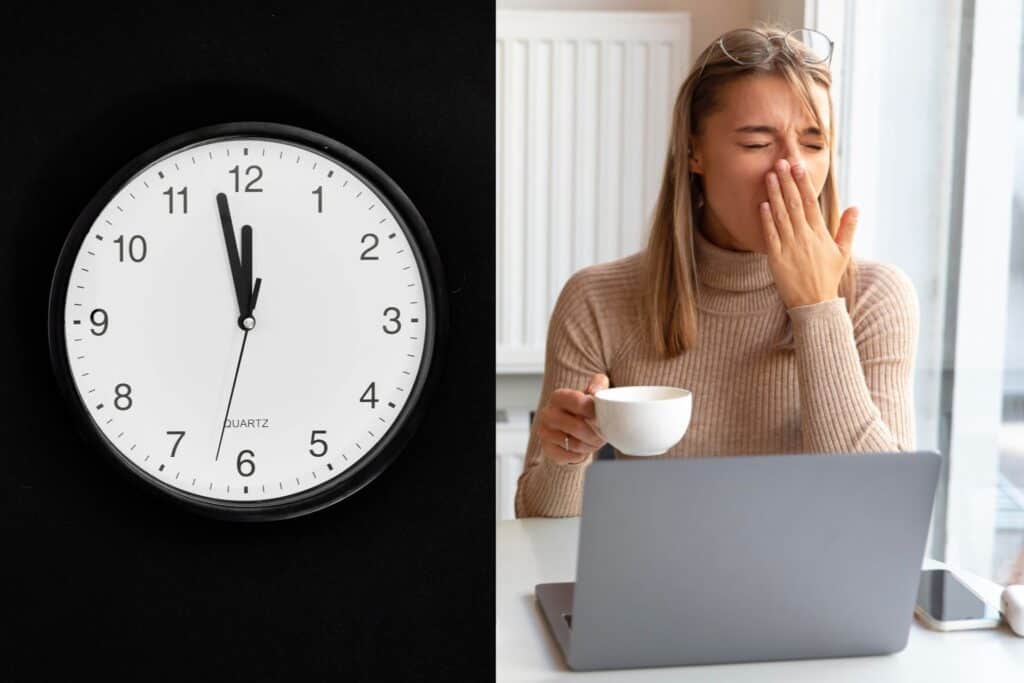
In short, alcohol, combined with other subtle habits midlife, is a leading yet frequently ignored cause of energy loss. By identifying and adjusting your drinking patterns, you can reclaim focus, improve recovery, and feel more capable throughout the day. Awareness and deliberate micro-changes in alcohol habits are foundational to practical strategies that help drain energy after 40 without sacrificing social enjoyment or personal routines.
Caffeine: The Temporary Fix That Can Backfire
Caffeine is often seen as a lifesaver for professionals over 40. A morning cup of coffee, a mid-afternoon pick-me-up, or an energy drink before a meeting can feel essential. But caffeine, like alcohol, can quietly drain energy after 40 when used habitually or at the wrong times. Its temporary boost masks underlying fatigue, creating a cycle where more caffeine is needed to feel normal, which ultimately disrupts natural energy patterns.

Many people don’t realize how timing affects its impact. Consuming caffeine too late in the day can interfere with sleep onset and the quality of restorative sleep. Even early-morning coffee, when combined with irregular sleep schedules or late-night habits, can shift circadian rhythms subtly. Over time, these small disruptions accumulate, leaving mornings sluggish and afternoons reliant on stimulants. For busy professionals, this hidden drain often goes unnoticed because the immediate effects feel beneficial.
Caffeine doesn’t need to be eliminated entirely to improve energy. Awareness and micro-adjustments are key. Tracking intake, moving the last cup earlier in the day, or limiting total daily consumption can make a noticeable difference. When combined with attention to sleep hygiene and other subtle habits midlife, these adjustments restore energy levels naturally. Many professionals find that simply spacing caffeine strategically allows alertness and focus to recover without reducing productivity.

Ultimately, understanding caffeine’s role in energy management 40s strategies is essential. It’s not the enemy, but an overlooked factor that interacts with alcohol, sleep, and other lifestyle choices. By observing how your body responds and making small, intentional tweaks, you can maintain alertness and stamina while avoiding the crash that drives reliance on additional stimulants. Thoughtful caffeine use, alongside awareness of hidden habits, supports sustainable energy and helps professionals feel sharper throughout the day.
Medications and Supplements: Helpful, But Not Harmless
Many professionals over 40 rely on medications or supplements to manage sleep, pain, or general wellness. While these products can be beneficial, they can also subtly drain energy after 40 when used habitually. Sleep aids, certain pain relievers, and even some over-the-counter supplements can interfere with alertness, recovery, and overall vitality. The effects aren’t always immediate, making it easy to overlook their contribution to fatigue.

Sleep medications are a common culprit. They may help you fall asleep faster, but they can reduce the restorative quality of sleep, leaving mornings groggy. Similarly, pain relievers or anti-inflammatory medications can affect energy metabolism or interact with other subtle habits midlife, like alcohol or caffeine, compounding fatigue. Professionals often assume these products are harmless because they address a specific issue, but their cumulative impact on energy is frequently underestimated.
Supplements, even natural ones, are not exempt. Certain herbal remedies or vitamins can interact with other medications or influence sleep and alertness. Tracking their effects and evaluating necessity is a practical approach for energy management 40s strategies. Small adjustments like changing timing, reducing unnecessary doses, or replacing a habit-forming supplement with a lifestyle intervention can produce noticeable improvements in daily energy levels.
The key is awareness and experimentation. By observing how medications and supplements influence your energy, and combining that knowledge with attention to alcohol, caffeine, and other hidden habits that drain energy after 40, you can make informed choices that support long-term vitality. Sustainable energy isn’t about eliminating all aids; it’s about understanding their role and using them strategically, so they complement your overall health rather than compromise it.
Awareness and Micro-Shifts: Small Adjustments, Big Results
One of the most effective ways to reclaim energy after 40 is awareness. Hidden habits, from evening alcohol to late-day caffeine or habitual supplements, often go unnoticed because their effects are gradual. By simply observing patterns and tracking when energy dips, how sleep quality varies, and how focus fluctuates, you can identify which habits contribute most to fatigue. Awareness turns invisible drains into actionable insights, giving professionals the opportunity to intervene before exhaustion becomes chronic.

Micro-shifts are where results happen. You don’t need drastic overhauls to improve energy. Small, deliberate adjustments, like reducing alcohol frequency, moving the last cup of coffee earlier, or reassessing supplement timing can restore alertness and stamina. These tweaks are practical, sustainable, and can fit seamlessly into a busy professional routine. When combined with attention to other subtle habits midlife, micro-shifts often produce larger gains than more complex interventions like strict diet changes or increased exercise intensity.
Energy management in your 40s isn’t about perfection; it’s about experimentation. Tracking, observing, and adjusting one habit at a time allows you to reclaim focus without disrupting life. Professionals who integrate awareness with intentional micro-changes often report clearer mornings, more productive afternoons, and improved overall vitality. Recognizing the hidden habits that drain energy after 40, and applying small, precise adjustments, forms the foundation of a practical, mentor-guided approach to sustainable energy and performance.
Social and Psychological Context
Energy loss after 40 is rarely caused by habits alone. Social and psychological factors play a significant role in how hidden habits affect daily vitality. Drinking alcohol to relax after work, relying on coffee to get through meetings, or taking supplements for reassurance are often responses to stress, workload, or social expectations. Recognizing the purpose behind these behaviors is essential. Without understanding why habits exist, it’s difficult to make sustainable changes.

Context also shapes energy patterns in subtle ways. Social obligations may encourage nightly drinks, while high-pressure jobs drive increased caffeine consumption. Emotional factors, like using alcohol or snacks to cope with frustration, contribute to fatigue without being immediately obvious. Professionals who approach energy management 40s strategies without considering these influences risk addressing symptoms rather than the underlying causes. Observing when and why habits occur provides actionable insight and helps identify alternatives that satisfy the same need without draining energy.
The practical takeaway is that awareness alone isn’t enough; context matters. By combining understanding of hidden habits that drain energy after 40 with insight into social and psychological triggers, professionals can make informed adjustments. Small changes, like substituting a short walk for a post-work drink, scheduling breaks instead of relying on caffeine, or setting boundaries around work stress, can restore focus and resilience. Recognizing the interplay of habits, social pressures, and emotional triggers forms the foundation for energy management that is both effective and sustainable in midlife.
Mentorship Perspective: Energy Management After 40
From a mentorship standpoint, reclaiming energy after 40 is less about following rigid rules and more about developing awareness and intentional habits. Professionals often try to address fatigue with quick fixes without understanding the underlying patterns. Recognizing the hidden habits that drain energy after 40 allows for targeted adjustments that are practical and sustainable.
Mentors often emphasize experimentation. Small, deliberate changes like shifting the timing of coffee, moderating alcohol, or reassessing supplement use, provide immediate feedback and build self-efficacy. Combining these adjustments with observation of social and psychological patterns ensures that energy management strategies are aligned with real-life responsibilities, stressors, and preferences. Over time, these micro-shifts compound into noticeable improvements in focus, alertness, and overall vitality.

The key lesson is that energy management 40s strategies are not about perfection, they are about thoughtful iteration. Professionals who approach hidden habits with curiosity, self-compassion, and small, precise interventions often achieve greater results than those chasing drastic solutions. By integrating mentorship insights, awareness, and practical micro-adjustments, you can restore sustainable energy, feel more capable throughout the day, and maintain focus on both professional and personal goals.
Observe, Experiment, Adjust
Energy after 40 is influenced by more than just diet or exercise. Hidden habits like alcohol consumption, caffeine timing, and habitual supplements interact with social and psychological factors to subtly drain energy after 40. Professionals who assume fatigue is simply a part of aging often overlook these factors, leaving performance, focus, and vitality lower than necessary. Awareness is the first step. Observing patterns, tracking energy, and understanding why habits exist provides the insight needed for meaningful change.
Small, deliberate adjustments, or micro-shifts, are the most effective way to regain energy sustainably. Shifting the timing of caffeine, moderating alcohol, and reassessing supplements in combination with attention to other subtle habits midlife can create measurable improvements. Energy management 40s strategies are not about perfection; they are about curiosity, self-compassion, and consistent, intentional practice. By experimenting with adjustments and observing results, professionals can restore alertness, improve recovery, and feel more capable throughout the day. Recognizing and addressing hidden habits that drain energy after 40 empowers individuals to maintain vitality, focus, and resilience, supporting both professional performance and personal well-being in midlife and beyond.

Feeling stuck in the grind? If your health is slipping, it’s time to reset. My coaching programs are designed to help ambitious professionals build energy, resilience, and focus, without giving up your edge.